Bellevue And Montpellier Belmont Reds
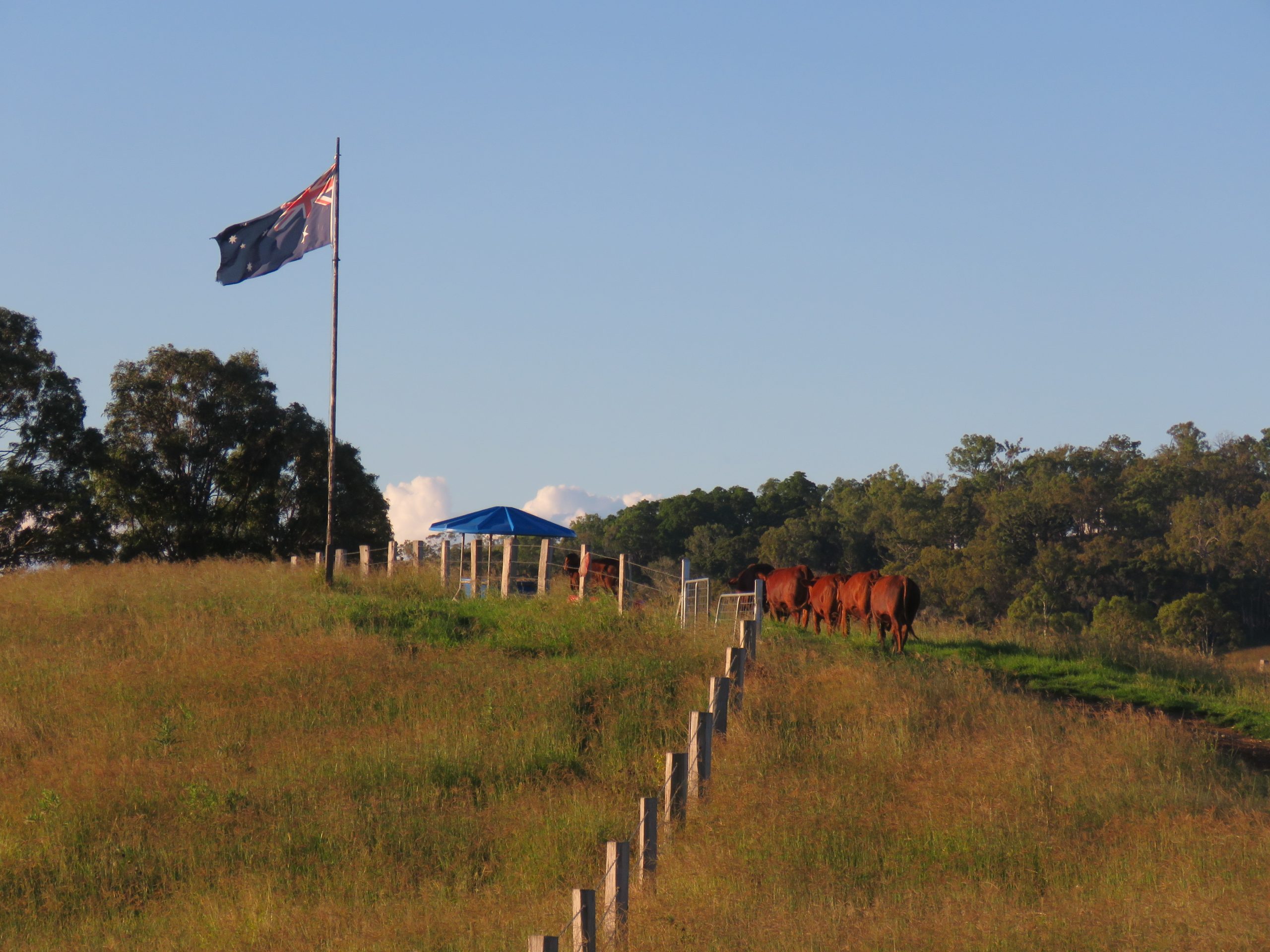
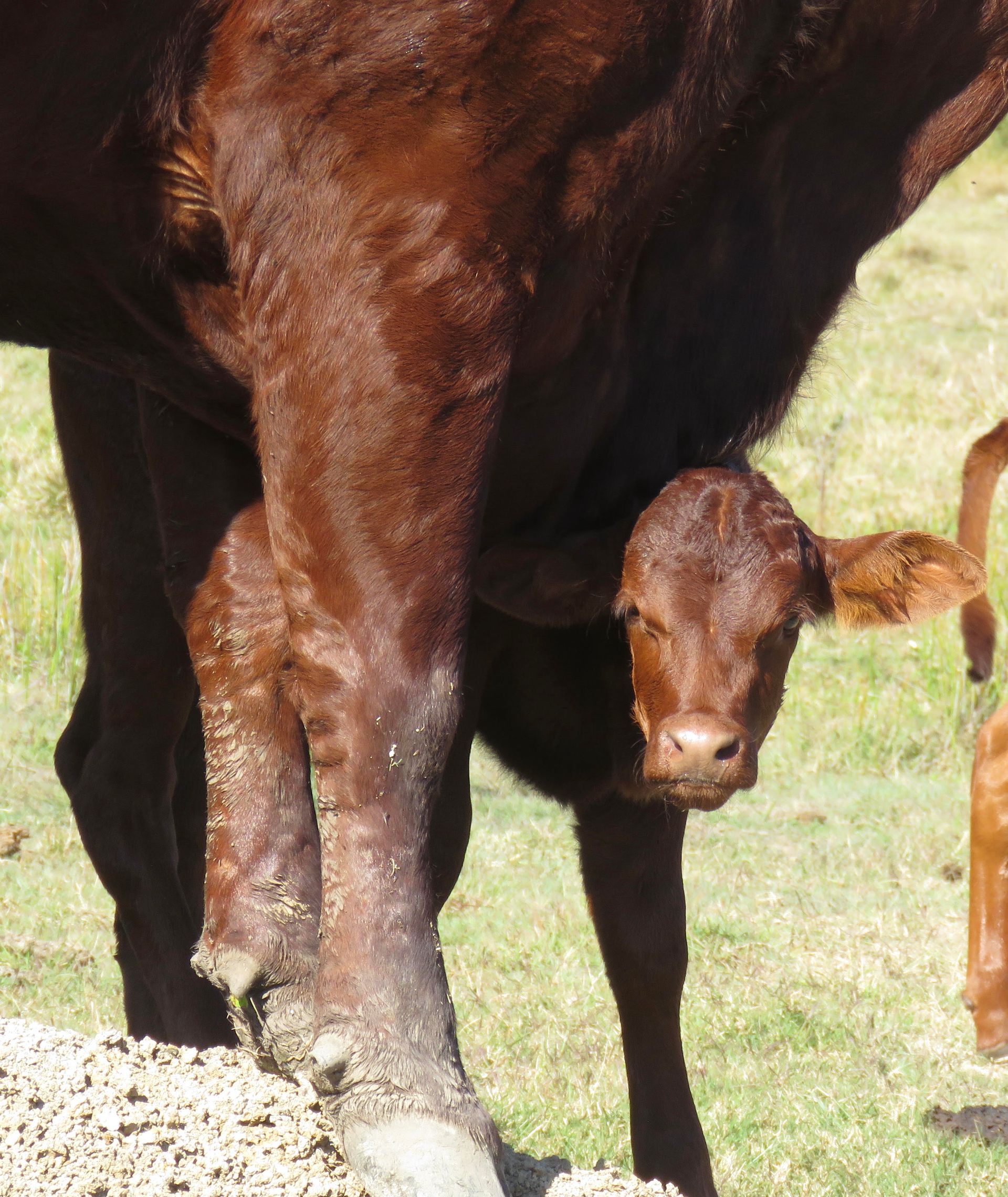
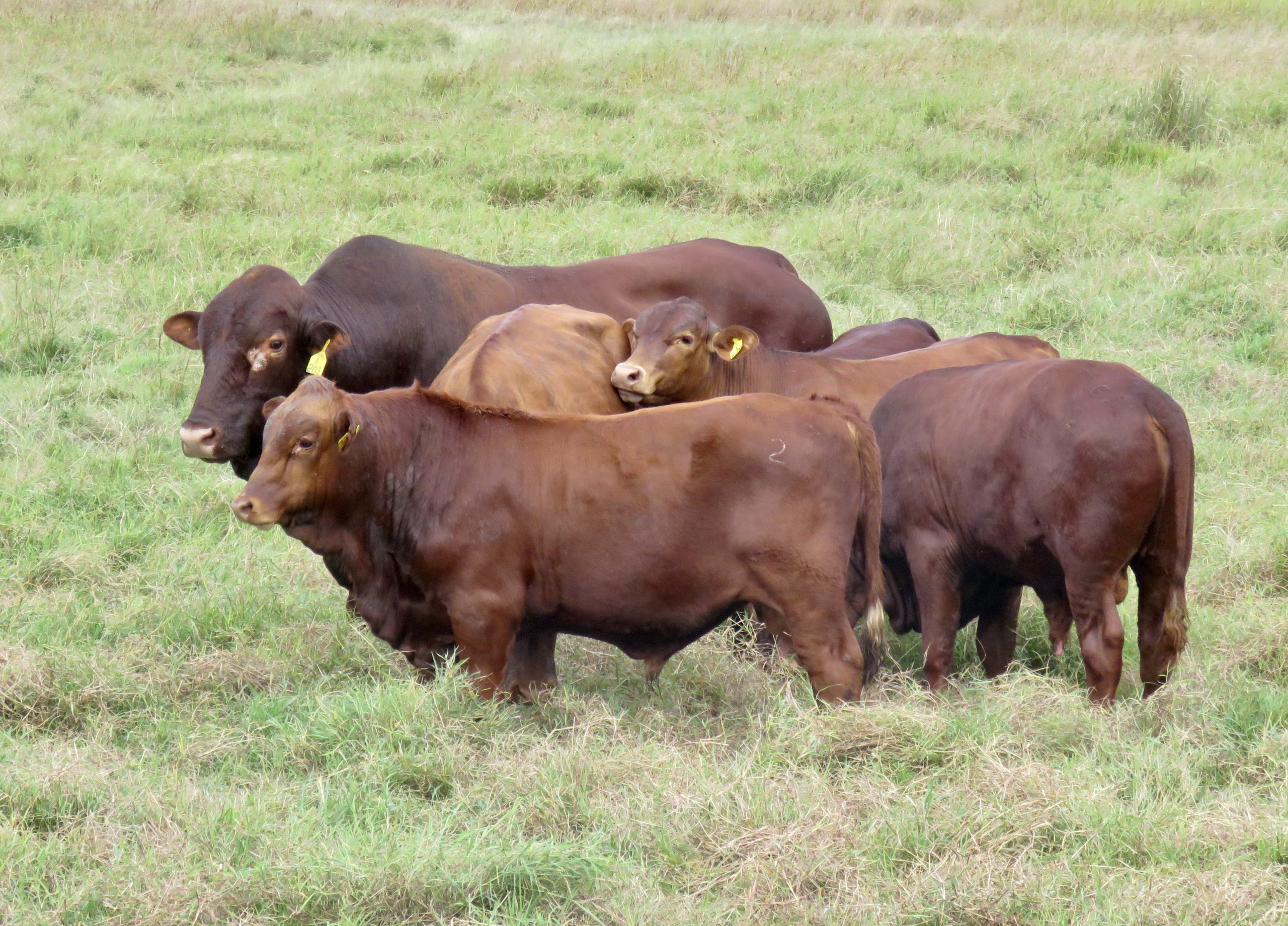
Bellevue Belmont Reds is a small family run cattle stud in the scenic rim near Boonah with another property at Maryborough. We adhere to the original Belmont philosophy of objective measurement for economically important traits measured under natural and commercial conditions. Our bulls are raised under genuine pasture conditions; not sorghum or oats. Bulls are raised in tick country and are not treated for ticks. All measurements for EBV’s are taken under these conditions.
Montpellier Queensland’s Oldest Belmont Red Stud and the home of George Seifert
The Belmont Red story is a legacy of innovation led by George Seifert at the CSIRO “Belmont” Research Station.
Between 1963 and 1987, Dr Seifert identified the fertility potential of the Africander cross — a breakthrough that led to the development of the Belmont Red in 1967. Decades of research confirmed the traits that matter: fertility, marbling, yield, fat cover, eating quality, feedlot performance, and docility.
Since 1972, Montpellier Belmont Reds have been run under true commercial conditions on Central Queensland coastal country: no parasite control and moderate to low nutrition.
Only cattle that perform remain — the rest are culled — creating a herd defined by adaptation, resilience, and profitability. Genetic progress is driven by continual selection of high-EBV sires.
Dr Seifert’s philosophy is:
- Select for economically important traits only
- Measure growth and fertility in real conditions
- Ignore aesthetics
Our Values
Ethical Stewardship
We are committed to the ethical and responsible treatment of our animals and our land. We only use low stress handling on our animals.
Honesty and Accountability
We value transparency, honesty, accountability, respect, and trust in everything we do.
Striving to Improve
We are passionate about Belmont Reds and committed to continual improvement of our herd.
Always Learning
We remain curious, open-minded, and proactive learners. We embrace new ideas and continue to learn from others
History And Origin
Over the years, natural and artificial selection have shaped different cattle breeds with their own strengths. Brahmans and Africanders, for example, are famous for handling the heat and resisting ticks. British breeds are valued for fertility and carcase quality, while European breeds bring size, lean meat, and growth. But each also has its downsides — Brahmans can be less fertile with tougher meat, and British and European types often struggle in harsh northern environments with heat, parasites, or poor feed.
The Belmont story began in 1954 at the National Cattle Breeding Station, “Belmont” near Rockhampton. Researchers set out to test how Africander and Brahman genetics could perform in northern conditions.
They mated imported Africander and Brahman bulls, along with Australian Hereford and Polled Shorthorn bulls, to local Hereford and Shorthorn cows. From those matings, three clear genetic lines emerged. The Africander cross — soon called the Belmont — stood out for its fertility, outperforming both the Brahman crosses and the British breeds.
At the time, fertility was the big limiting factor in northern herds. Improving it through selection alone was slow. But using the Belmont cross to lift fertility in Brahman-based herds offered a faster, more effective solution. By 1968, the Belmont was officially released to industry.
Four decades on, the decision has been well and truly proven. Economic modelling by the CRC showed Belmont Reds delivering significantly more profit: an extra $24 per head on grass, and up to $76 more per Adult Equivalent under grain finishing — compared with rotational crossbreeding programs built around Brahmans.In short: Belmont Reds were designed in Australia, for Australians, by Australians
Milestones in Belmont Reds Development
Trace the pivotal moments that shaped the Bellevue Belmont Reds breed.
1930
Droughts Create Huge Losses
Dr R B Kelly, a Veterinarian, was appointed to investigate the problems in the Northern Beef cattle industry.
1950s
Tropical Cattle Get Attention
Push to evaluate the role of exotic tropical cattle for the Northern Cattle Industry.
1954
Belmont Station Bought
Australian Meat Board purchases ‘Belmont” to investigate the role of Native and Adapted cattle.
1954-1957
First Crosses Arrive
Matings to produce the First Crosses: F1 Africander, Brahman, Hereford, and Shorthorn bulls crossed with Hereford and Shorthorn female herd
1960-1967
Second & Third Cross
Dr George Seifert runs his own study at Belmont Research Station and recognises the fertility advantage of the Afrikaner F2
1969
Belmont Released To Public
Belmont Red released as a Breed
Discover Our Belmont Reds
Whether you’re a small farm or a large cattle station, our Belmont Reds offer the perfect combination of docility, fertility, tick resistance and heat tolerance. Reach out to us today to learn more about our mission and how we can support your cattle needs.